PREVALENCE OF OVERWEIGHT AND OBESITY AND ASSOCIATED FACTORS AMONG RURAL POPULATION ATTENDING PRIMARY HEALTH CENTRES IN NYARUGURU DISTRICT, RWANDA
by Mr. Anaclet Mugali•Original Research•7/25/2026
 Journal of African Epidemiology and Public Health SciencesJournal of African Epidemilogy and Public Health Sciences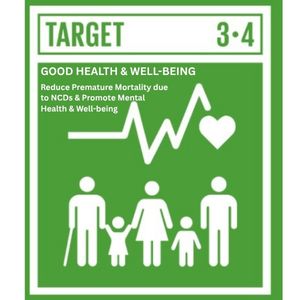
This special collection focuses on the global and regional challenge of premature mortality from non-communicable diseases (NCDs), including cardiovascular diseases, cancers, diabetes, and chronic respiratory conditions. These diseases remain the leading contributors to mortality worldwide, particularly in low- and middle-income countries, where health systems face increasing strain. Aligned with Sustainable Development Goal (SDG) Target 3.4, which aims to reduce premature mortality from NCDs by one-third by 2030, this collection publishes evidence that informs policy, strengthens health systems, and promotes effective prevention and treatment strategies. [who.int] The collection provides a platform for interdisciplinary research addressing epidemiological trends, risk factors, health system responses, and innovative interventions aimed at reducing NCD-related mortality. Special emphasis is placed on African contexts, where rapid urbanization, changing lifestyles, and inequities contribute to rising NCD burdens. Through this collection, JAEPHS aims to contribute to evidence-based decision-making and accelerate progress towards achieving universal health coverage and improved population health outcomes.
Focus:
Objectives of the Collection 1. Generate Evidence on NCD Burden To document the epidemiology and trends of premature mortality from major NCDs To analyze age-specific mortality patterns (30–70 years) relevant to SDG 3.4 2. Identify Key Risk Factors To examine behavioral and environmental determinants such as: Tobacco and alcohol use Unhealthy diet and physical inactivity Air pollution and occupational exposures 3. Evaluate Health System Responses To assess health system readiness for: NCD prevention and early detection Access to treatment and long-term care Integration of NCD services into primary healthcare 4. Assess Policy and SDG Progress To evaluate national and regional progress toward SDG Target 3.4 To analyze the effectiveness of: Public health policies National NCD strategies Multisectoral interventions 5. Promote Innovation and Best Practices To highlight evidence-based interventions including: Community-based prevention programs Digital health solutions Screening and early diagnosis initiatives 6. Address Health Inequalities To explore disparities in NCD outcomes across: Socioeconomic groups Geographic regions (urban vs rural) Gender and vulnerable populations 7. Strengthen Research and Collaboration To encourage interdisciplinary and cross-country research collaborations To support knowledge exchange between policymakers, practitioners, and researchersGoal 3 - Good Health and Well-being
June 14, 2026
Dr. Moses Gitonga MPH, PhD
Dedan Kimathi University of Technology
Dr. Peter Eguabor PhD.
Federal university Lafia